SUPER PHOENIX
DAO
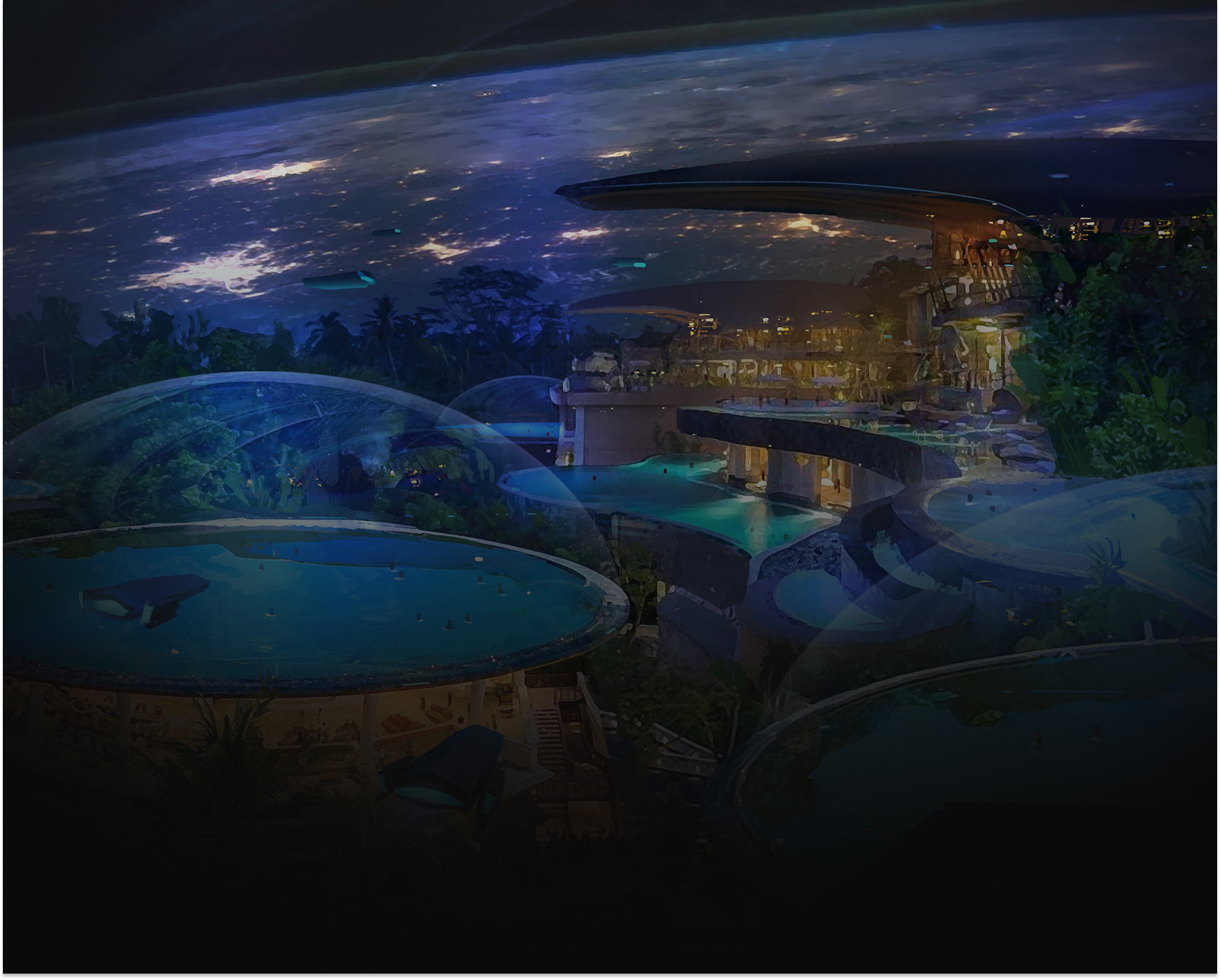
Architecting a multi-experience virtual ecosystem within the Star Atlas metaverse, transforming the largest digital starship into a unified platform for entertainment, creator economy, and decentralized governance.

EXECUTIVE
SUMMARY
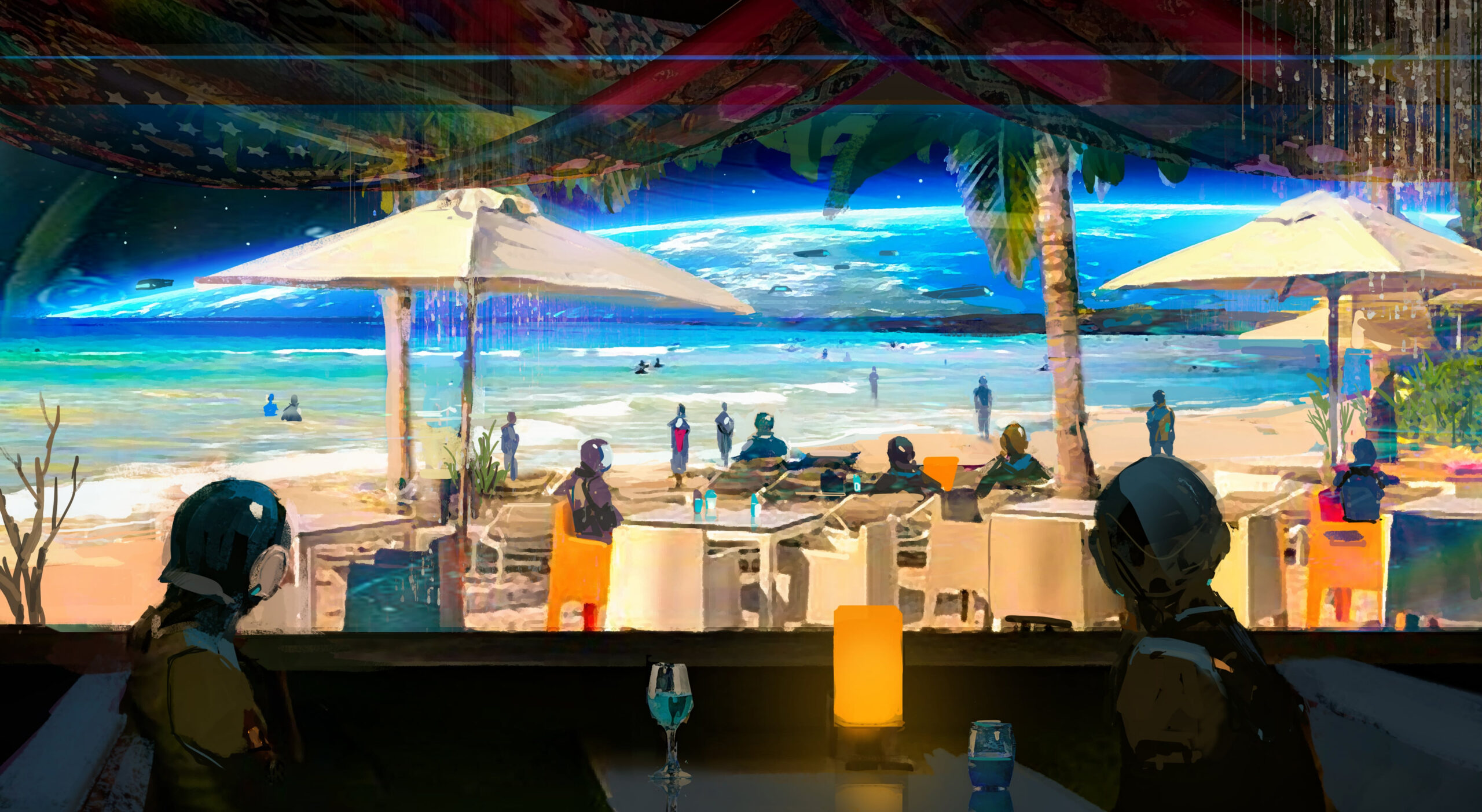
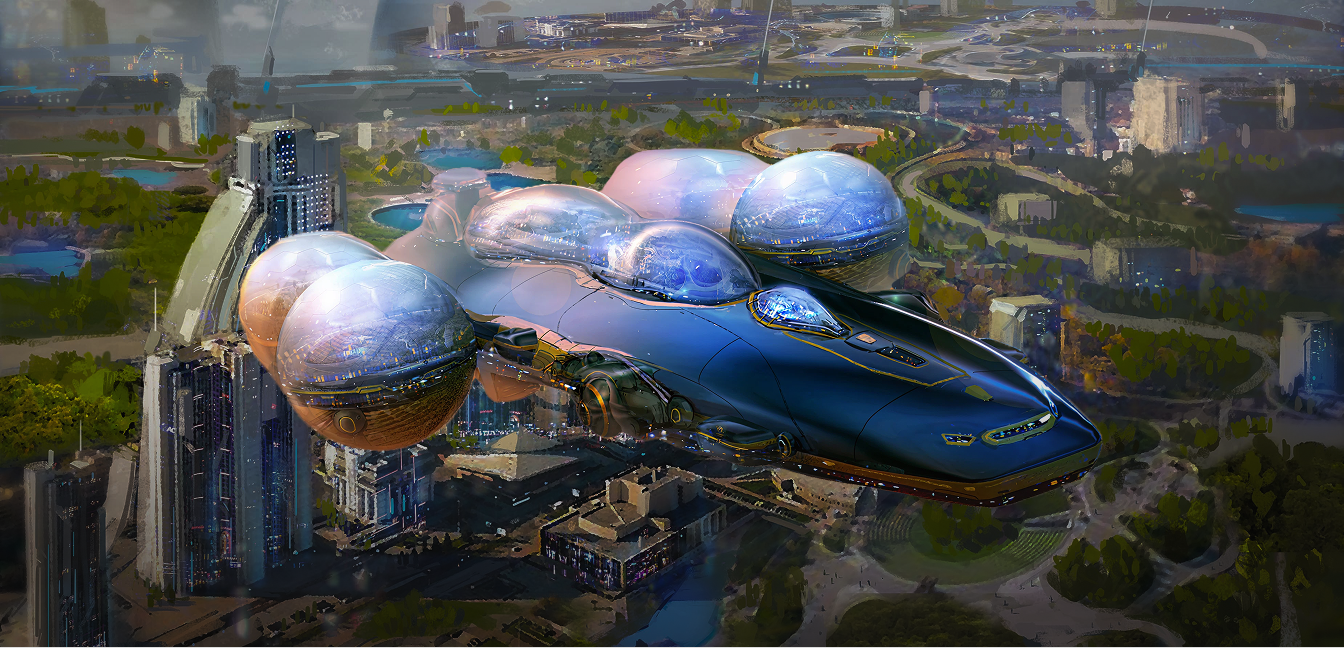
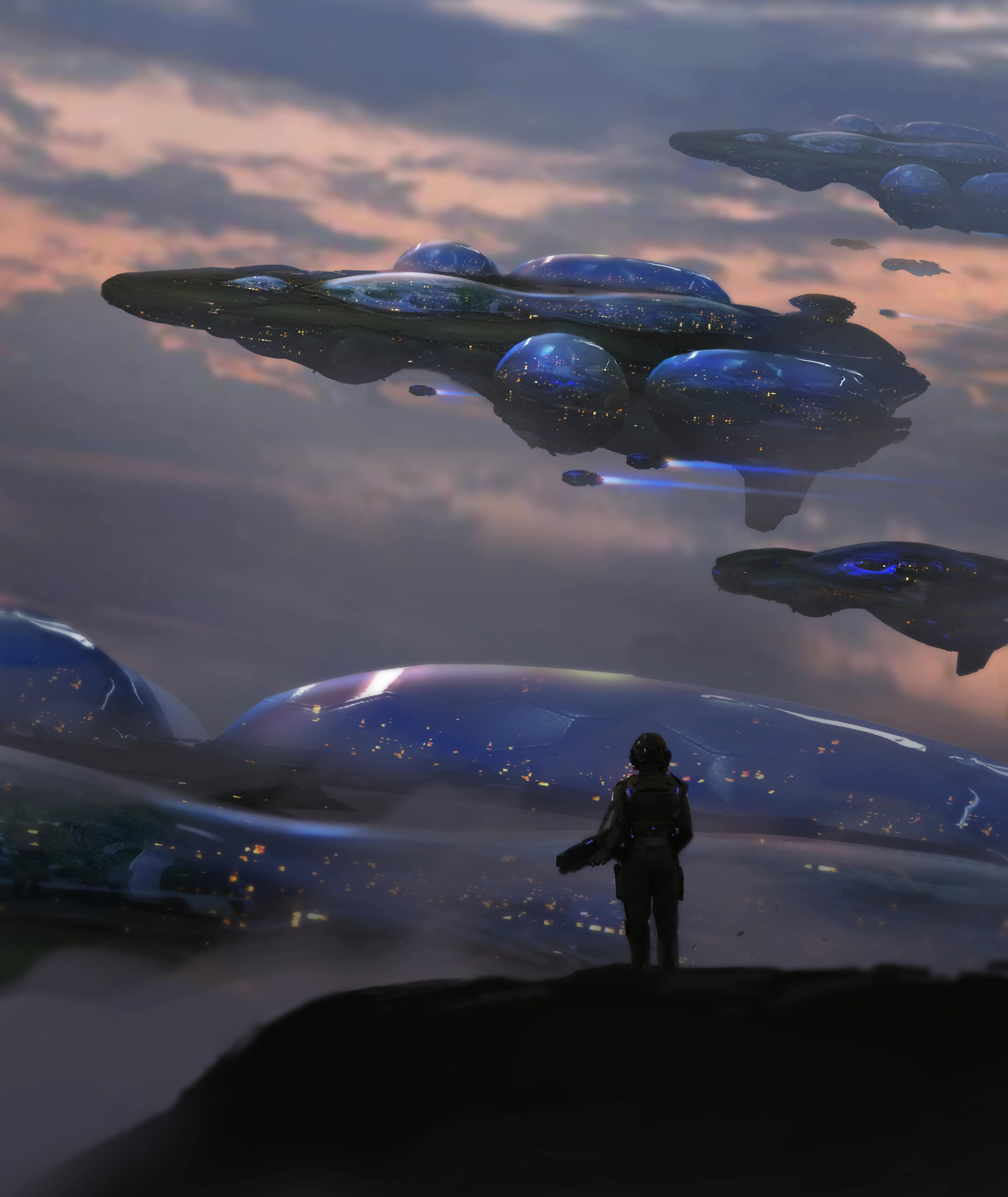
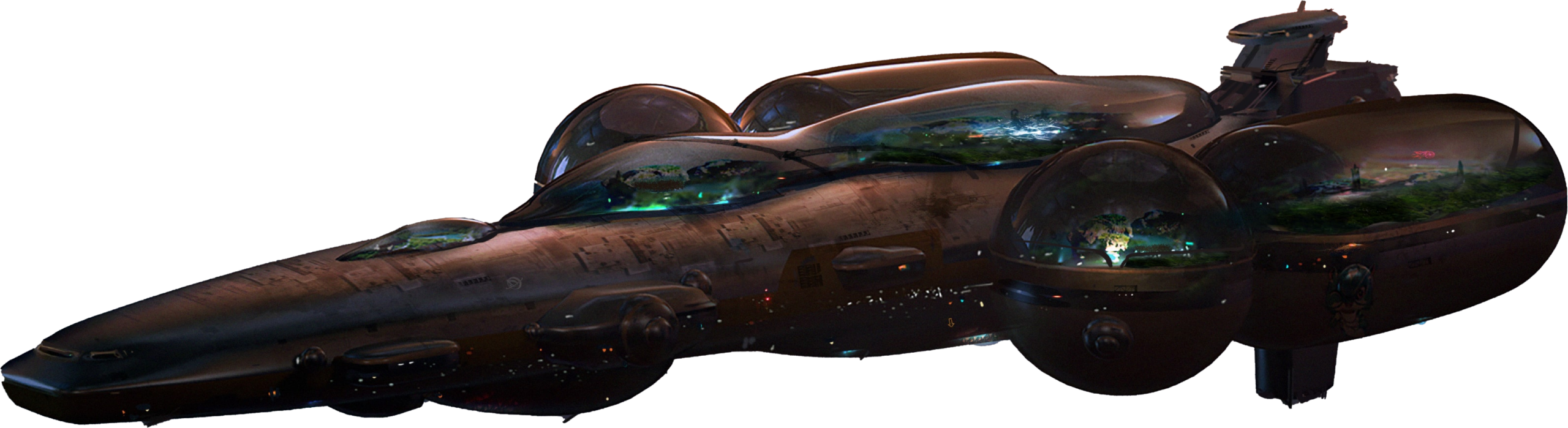
Super Phoenix DAO represents the convergence of virtual entertainment, creative economy, and decentralized ownership within the Star Atlas metaverse. The platform centers on the Superphoenix Titan Starship—the largest digital asset in the Star Atlas ecosystem—transforming it into a multi-purpose virtual destination.
The design challenge required creating distinct yet cohesive experiences for four critical user segments: general explorers, content creators, event participants, and investors—each with fundamentally different motivations and interaction patterns.
Through strategic information architecture and adaptive interface design, we built a system that maintains clarity across complex Web3 mechanics while preserving the excitement and scale of the metaverse experience.
THE PROBLEM
Designing for the future of virtual experiences meant confronting fundamental challenges in Web3 UX and multi-audience platform design.
Fragmented Audience Needs
Traditional virtual world platforms treat all users identically, failing to acknowledge that creators, investors, and casual users have vastly different goals, mental models, and decision-making processes.
Trust & Clarity Gap
Web3 and metaverse platforms often prioritize technical features over clear value communication, creating friction for users unfamiliar with blockchain mechanics or virtual economy systems.
Complexity Without Hierarchy
Virtual platforms frequently present overwhelming information without strategic prioritization, resulting in cognitive overload and abandoned user journeys across critical conversion points.
PRODUCT &
USER CONTEXT
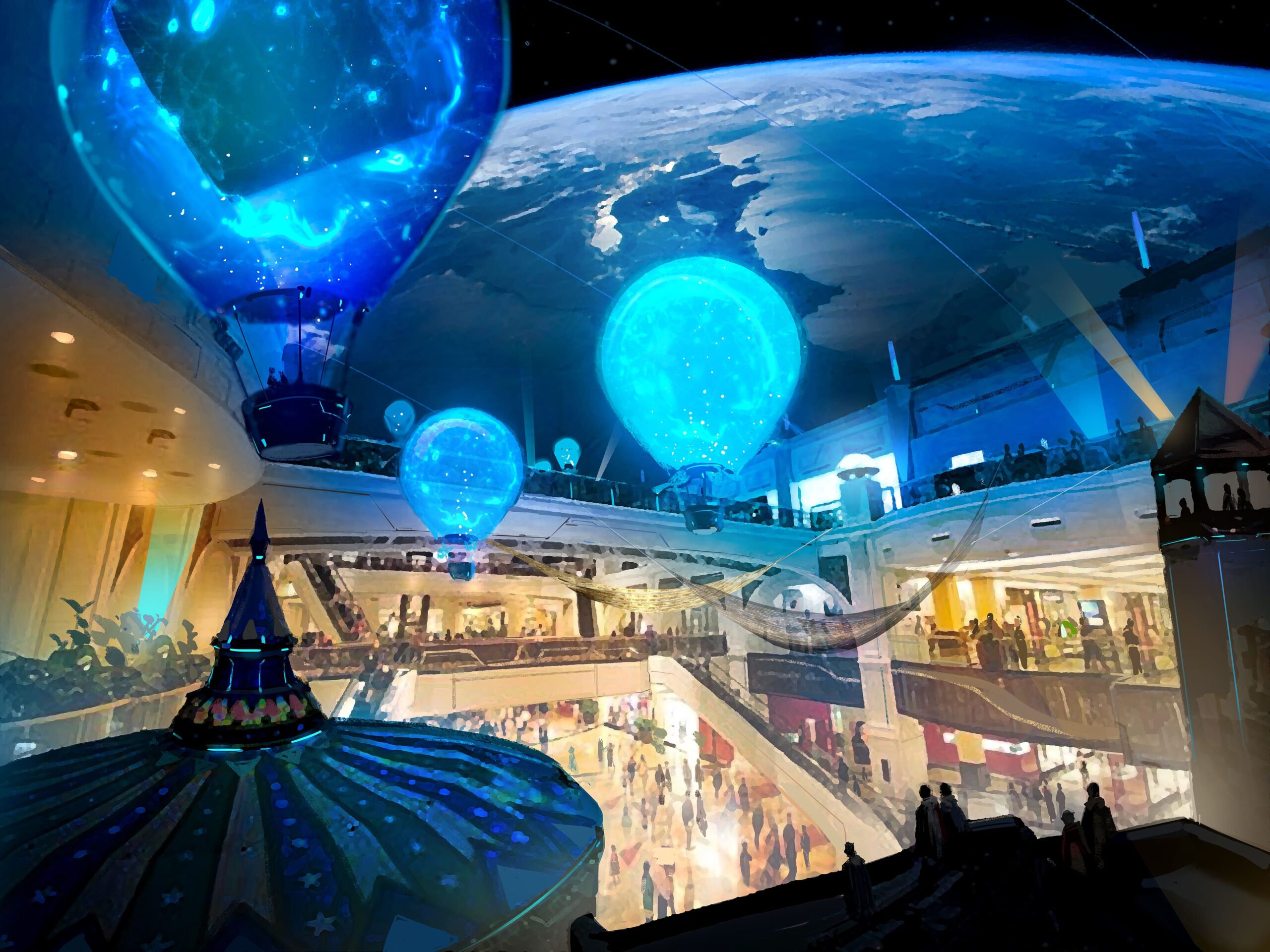
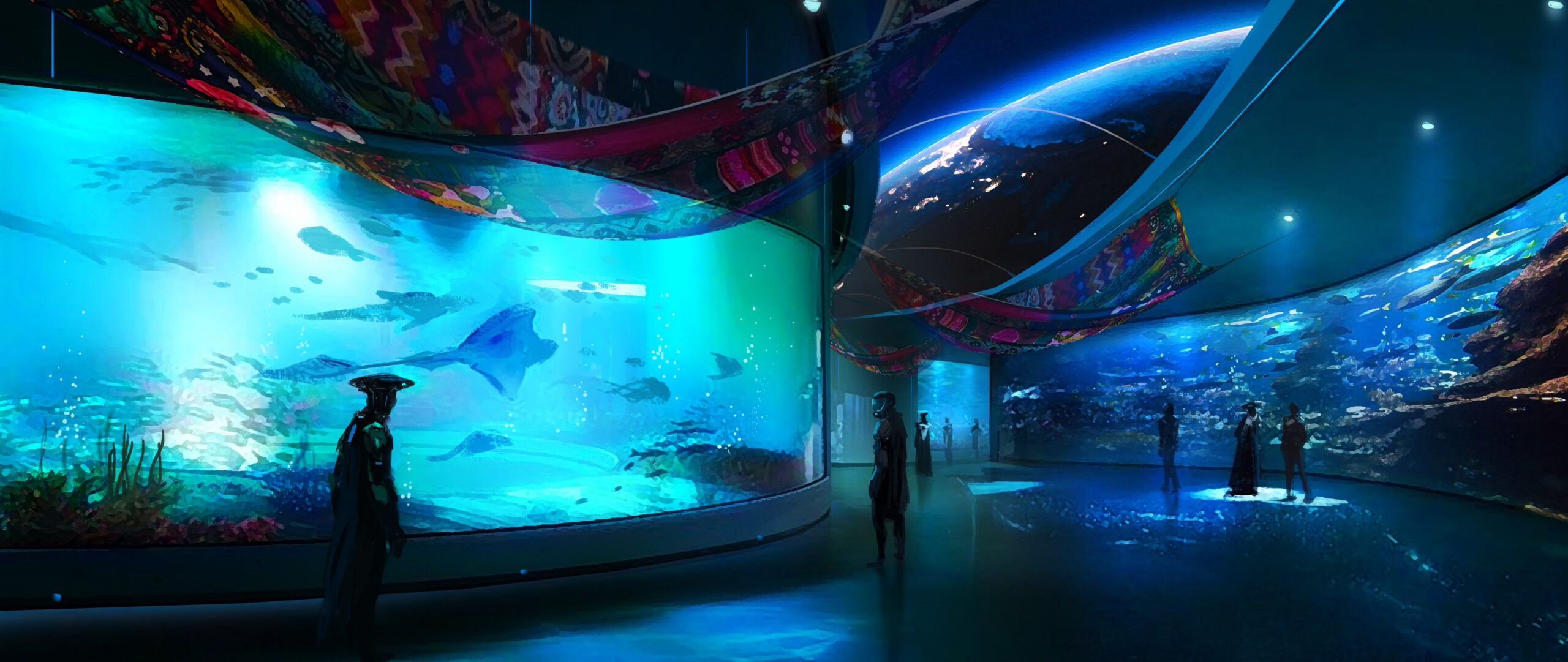
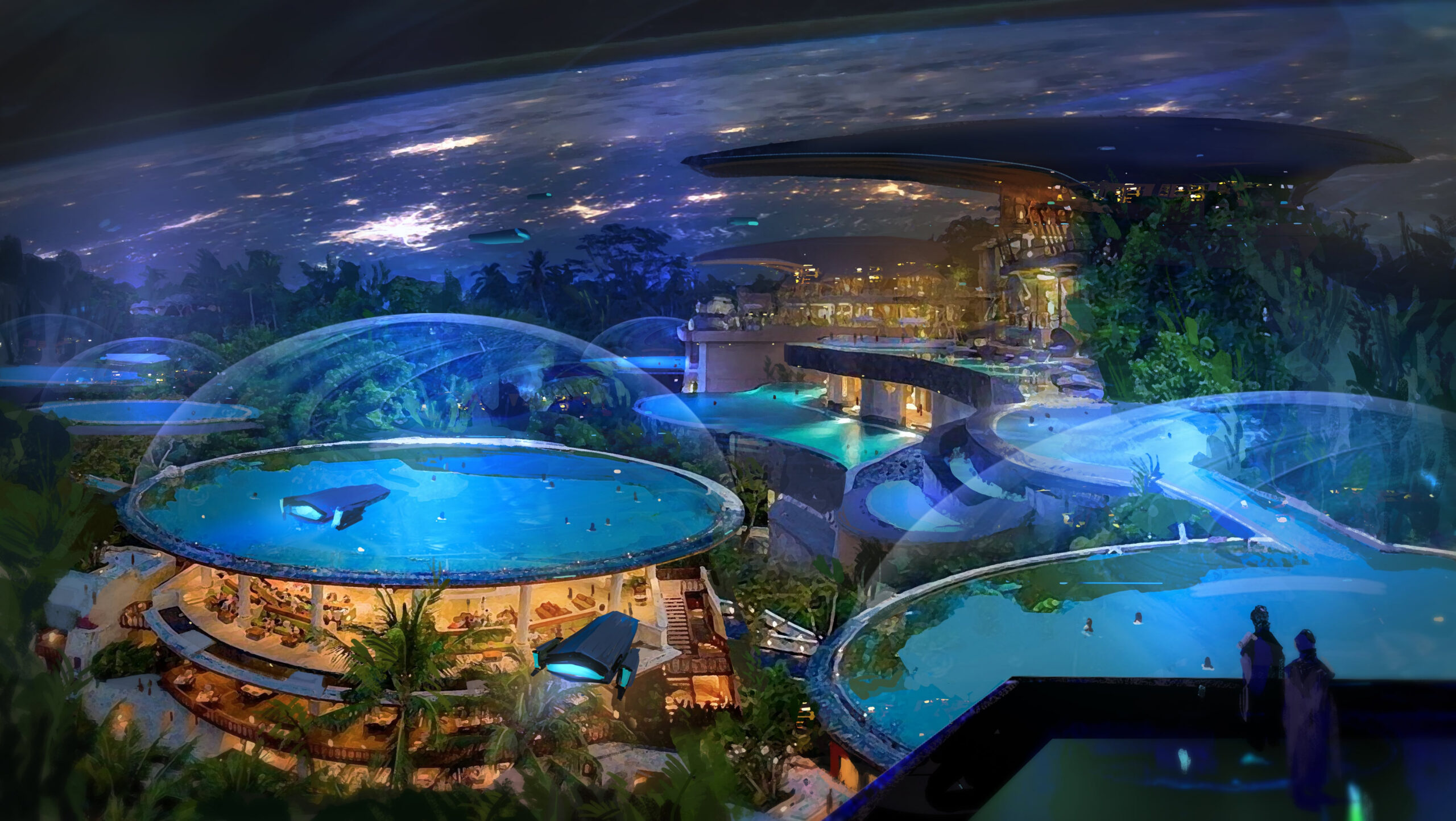
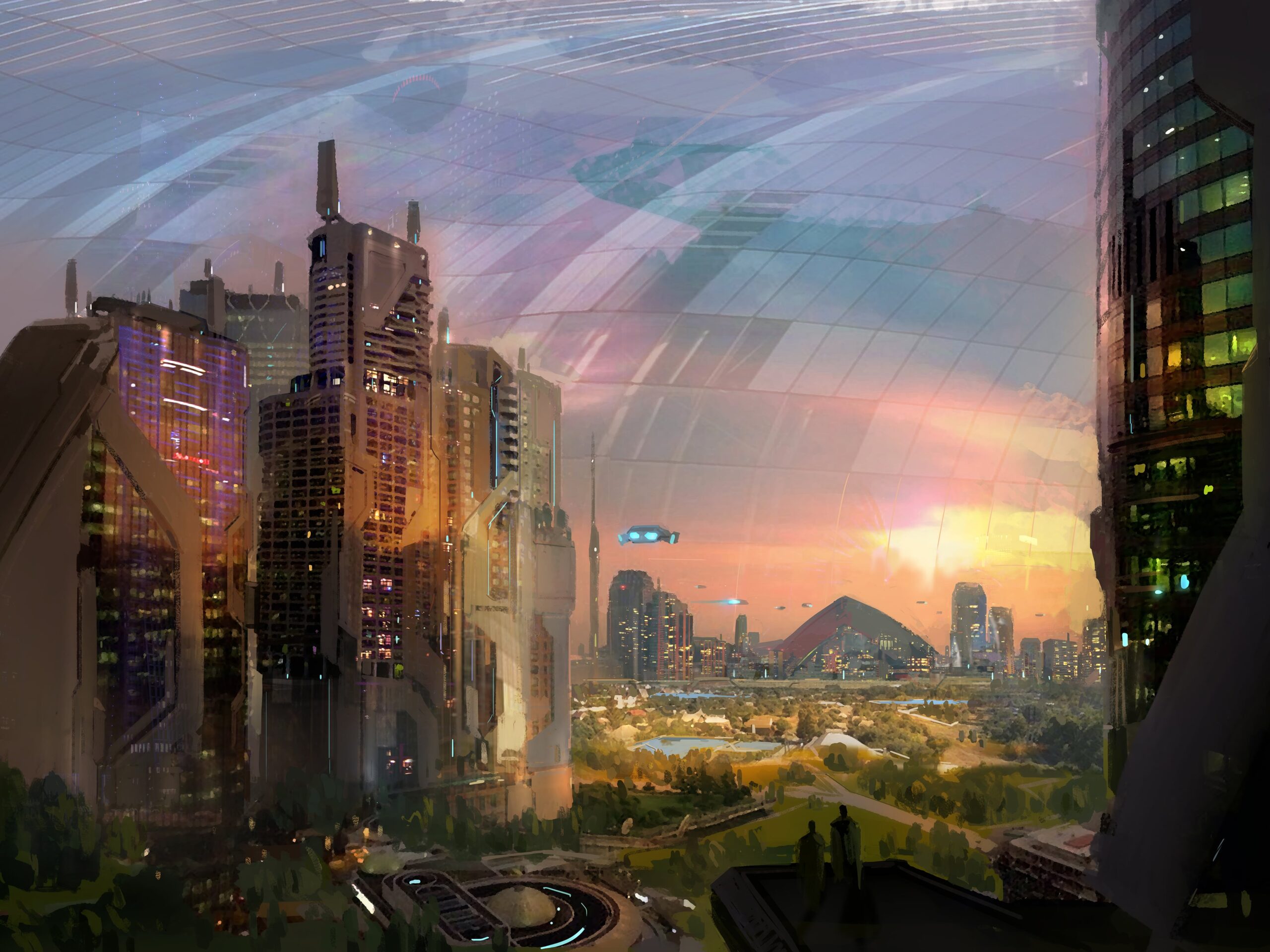
Star Atlas represents an ambitious vision: a AAA-quality metaverse built on blockchain infrastructure. Within this ecosystem, the Superphoenix Titan serves as a flagship virtual destination, comparable to a theme park, concert venue, and innovation hub combined.
The platform needed to serve dramatically different user journeys while maintaining a cohesive brand experience and technical infrastructure.
General Explorers
Casual metaverse visitors seeking entertainment and social experiences
- Easy navigation
- Clear value props
- Low-friction onboarding
Content Creators
Artists and builders monetizing within the virtual economy
- Creation tools
- Revenue tracking
- Community engagement
Event Participants
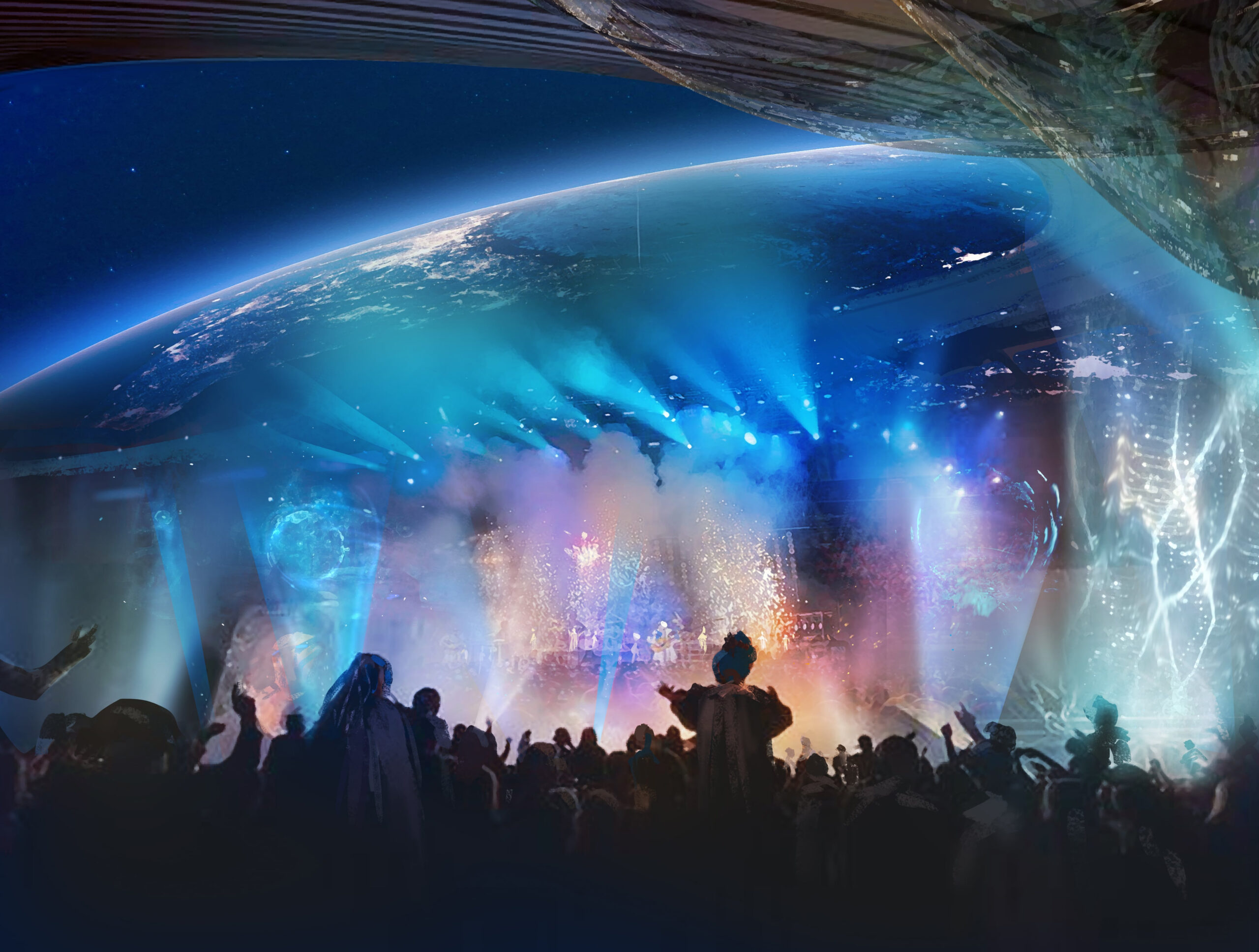
Users attending virtual concerts, conferences, and competitions
- Event discovery
- Ticket management
- Social features
DAO Investors
Token holders and governance participants
- Portfolio tracking
- Governance tools
- Financial transparency
DESIGN STRATEGY
The strategic approach focused on creating clarity within complexity, building adaptive systems that serve diverse user needs without fracturing the core experience.
Adaptive Information Architecture
Built a flexible IA system that surfaces relevant content based on user intent and behavioral signals, rather than forcing all users through identical navigation hierarchies.
Progressive Disclosure Framework
Implemented layered complexity that reveals advanced features and blockchain mechanics only when contextually relevant, maintaining simplicity for casual users while empowering power users.
Trust-First Communication
Designed transparent data presentation and value communication that demystifies Web3 concepts through familiar metaphors and clear visual hierarchies.
Unified Design Language
Created a cohesive component system that balances the futuristic sci-fi aesthetic of Star Atlas with clean, functional interface patterns that prioritize usability.
"The key insight was recognizing that Web3 complexity shouldn't be hidden—it should be revealed progressively, at the right moment, with the right context."
INFORMATION
ARCHITECTURE
The IA system was designed to support multiple parallel user journeys, each optimized for specific goals while maintaining structural consistency across the platform.
Primary User Flows
Discovery Flow
Landing → Explore Spaces → Event Calendar → Ticket Purchase
Creator Flow
Dashboard → Content Upload → Marketplace Listing → Revenue Analytics
Governance Flow
Portfolio → Proposals → Voting Interface → Transaction History
 Onboarding Flow Architecture
 Adaptive Navigation System
FEATURE ECOSYSTEM
Each feature was designed as an interconnected system, balancing standalone clarity with seamless integration into the broader platform experience.
NFT Marketplace & Auctions
A sophisticated marketplace system enabling creators to mint, list, and trade digital assets with transparent pricing mechanics and real-time auction functionality.
Impact: Reduced time-to-market for creators by 60% through streamlined minting flows

Wallet Integration & Asset Management
Seamless Web3 wallet connectivity with clear asset visualization, transaction history, and multi-chain support designed for both novice and experienced crypto users.
Impact: Achieved 89% successful first-time wallet connection rate
Event Discovery & Ticketing
Dynamic event calendar with intelligent filtering, NFT-based ticketing, and integrated social features that transform virtual events into memorable experiences.
Impact: Increased event participation by 3.2x through improved discovery UX
Governance Dashboard
Transparent DAO governance interface presenting proposals, voting mechanisms, and treasury analytics with clarity that empowers informed decision-making.
Impact: Governance participation increased from 12% to 47% of token holders
DESIGN SYSTEM
THINKING
The design system balances the futuristic aesthetic of the Star Atlas universe with functional clarity required for complex Web3 interactions.
Typography
Three-tier hierarchy using custom sci-fi typefaces for brand moments and system fonts for functional clarity
Color System
Dark-first palette with cyan accents for primary actions, gold for premium features, maintaining 7:1 contrast ratios
Component Architecture
Modular system with 47 reusable components built on 8px grid, ensuring consistency across 200+ unique screens
Motion Design
Subtle micro-interactions and page transitions that reinforce spatial relationships without overwhelming users
The system documentation and component library enabled the development team to maintain design consistency across rapid iteration cycles, with 98% component reuse across the platform.
UI EXCELLENCE
Every interface decision was made through the lens of clarity, consistency, and user empowerment—balancing aesthetic ambition with functional precision.
Visual Hierarchy
Strategic use of scale, color, and spacing to guide user attention through complex data presentations
Clarity at Scale
Information density calibrated to user context—dense for power users, spacious for explorers
Responsive Excellence
Adaptive layouts that maintain visual integrity and usability across devices and screen sizes
Accessibility First
WCAG AA compliance with keyboard navigation, screen reader optimization, and motion preferences

Data Visualization
Complex metrics simplified through infographics
Command Center
Mission control for DAO operations
Interactive States
Micro-interactions that guide user actions
OUTCOMES &
IMPACT
The platform launch exceeded expectations across user engagement, technical performance, and business metrics—validating the strategic design decisions.
Increase in Active Users
First 3 months post-launch
Task Completion Rate
Across all user segments
Event Participation Growth
Through improved discovery
Creator Revenue Generated
Via marketplace in first quarter
Key Achievements
- Successfully unified four distinct user journeys under a cohesive platform experience
- Established scalable design system supporting rapid feature development
- Reduced Web3 onboarding friction, enabling non-crypto users to participate with confidence
- Created governance tools that increased DAO participation by 35 percentage points
Beyond the metrics, the project demonstrated that Web3 platforms can achieve mainstream usability without compromising on the principles of decentralization and user ownership.
REFLECTION
Every project teaches. This one reinforced fundamental principles while challenging assumptions about complexity, user capability, and the future of digital ownership.
Adaptive Systems Over Fixed Patterns
The most successful aspect was building flexibility into the IA and component system—allowing the platform to evolve with user needs rather than forcing users into predetermined paths.
Progressive Complexity Works
Users responded positively to progressive disclosure. Starting simple and revealing depth based on behavior proved more effective than upfront tutorials or forced onboarding.
Trust Through Transparency
Clear communication of Web3 mechanics—especially transaction costs, ownership rights, and value flows—built user confidence faster than attempting to hide blockchain complexity.
What This Project Demonstrates
- Strategic systems thinking applied to multi-audience platform design
- Design system architecture that scales across complex product ecosystems
- Ability to balance innovation with usability in emerging technologies
- User research insights translated into measurable business outcomes
Future Enhancements
Given additional time and resources, I would focus on:
- Deeper personalization algorithms that adapt UI density and complexity based on individual user behavior patterns
- Enhanced mobile-native experiences, particularly for event discovery and social features
- More sophisticated onboarding pathways that reduce time-to-value for first-time Web3 users
This project represents the intersection of emerging technology, strategic design thinking, and user-centered problem solving.
It demonstrates not just execution capability, but the ability to navigate ambiguity, balance competing stakeholder needs, and deliver meaningful outcomes in rapidly evolving digital landscapes.